
Key takeaways
- Start at the Golden Gate Bridge early, then move east to Fisherman's Wharf and finish at the Painted Ladies to follow the light and dodge crowds.
- San Francisco drew 23.7 million visitors in 2025, so the main sights get busy by mid-morning (SF Travel, 2025).
- Mix transport by segment: drive or ride-share between far-apart stops, walk the Wharf, and take a cable car once for the experience.
- Pack lunch into a stop you are already visiting so eating never costs you a detour.
- A private guide handles parking, timing, and tight cruise or layover windows so a single day covers more ground.
You can see the best of San Francisco in a single day if you follow the light and the terrain instead of fighting them. Start at the Golden Gate Bridge at sunrise, work east along the waterfront to Fisherman's Wharf, then head inland to the Painted Ladies in the afternoon. This one day in San Francisco itinerary sequences every stop so you never cross the city twice or waste a morning stuck on a hill.
The city is busy. San Francisco welcomed 23.7 million visitors in 2025, and the headline sights fill up fast once the morning fog lifts (SF Travel via sf.gov, 2025). Timing matters more than speed. Below is a morning-to-night plan built around that reality.
How Should You Plan a One Day in San Francisco Itinerary?
San Francisco packs its icons into three rough zones, and in 2025 the region's parklands alone drew close to 15 million visitors, so the trick is to visit each zone once (National Park Service, 2023 data). Plan west to east. Catch the Golden Gate Bridge when the light is soft and the lots are empty, then let the day drift toward the waterfront and the center.
The city sits on roughly 50 hills, and the famous steep streets are exactly what slows unprepared visitors down. A route that climbs, drops, and climbs again burns time and energy. Group your stops by neighborhood so each leg moves in one direction. Morning belongs to the northwest corner, midday to the northern waterfront, and the afternoon to the central blocks around Alamo Square.
Our rule from guiding these days: decide your last stop first. If a cruise departs at 4 p.m. or a flight leaves at 7 p.m., the whole plan should flow backward from that clock so the fun parts are never rushed at the end.
What Is the Best Morning-to-Night Route?
The strongest route runs the Golden Gate Bridge first, Fisherman's Wharf second, and the Painted Ladies last, which keeps you ahead of the 23.7 million annual crowd for the busiest sights (SF Travel via sf.gov, 2025). Here is the full day, hour by rough hour.
Morning: Golden Gate Bridge and the Presidio
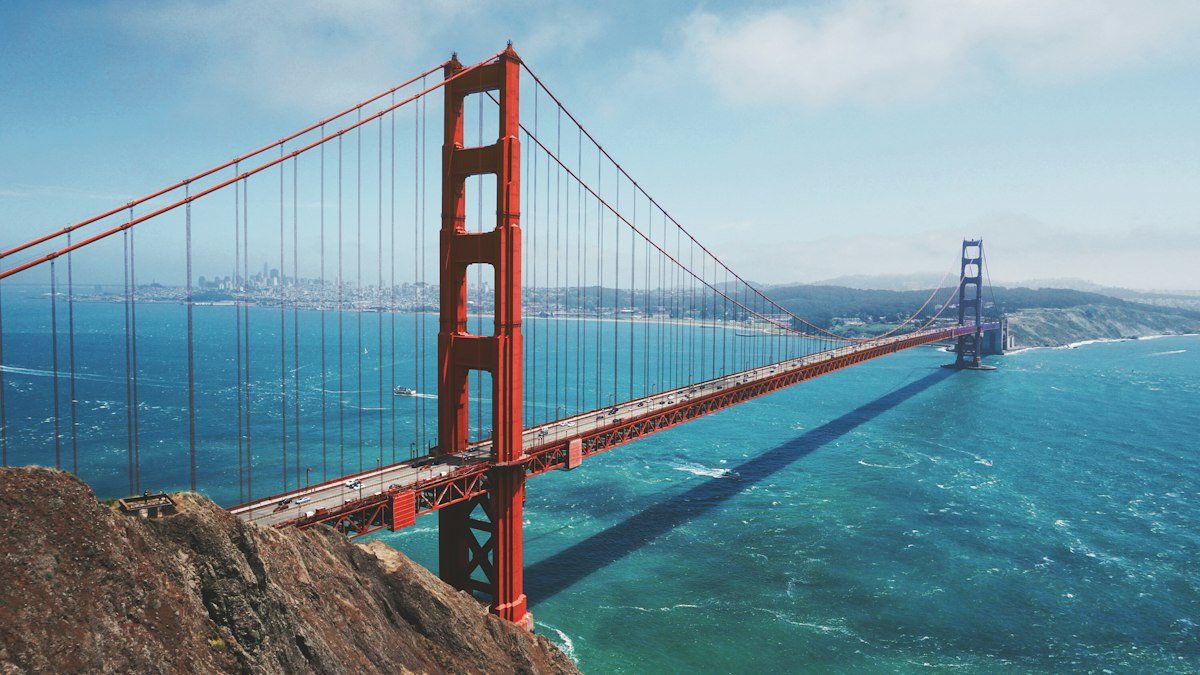
Arrive at the bridge soon after sunrise. The fog often clears first thing, parking at the welcome areas is open, and the viewpoints are quiet. Walk out partway onto the span, then drop down to Fort Point or Battery Spencer for the postcard angle. The National Park Service runs the surrounding lands, and its Golden Gate visitor information lists current hours and viewing areas worth checking before you go.
Midday: Fisherman's Wharf and the Northern Waterfront
From the bridge, head east along the shoreline toward the Wharf. This stretch is flat and walkable once you park. See the sea lions at Pier 39, look out to Alcatraz, and grab lunch here so eating costs you no detour. The waterfront is also where a single cable car ride fits naturally into the day.
Afternoon: Alamo Square and the Painted Ladies
Finish inland at Alamo Square. The row of Victorian houses known as the Painted Ladies, framed by the downtown skyline, photographs best in afternoon light. It sits away from the water, which is why it belongs at the end rather than squeezed between waterfront stops.
How Do You Avoid Backtracking Across the Hills?
Backtracking is the single biggest time drain on a one day in San Francisco itinerary, and with the region hosting almost 15 million park visitors a year, a wrong turn can cost you half an hour in traffic (National Park Service, 2023 data). The fix is to treat the day as a loop that never reverses.
Keep the water on your right in the morning and let each stop feed into the next. The bridge is in the far northwest. The Wharf is due east along the same shore. Alamo Square is south and inland. Draw that path on a map and it forms a gentle arc, not a zigzag.
Avoid the temptation to chase a far-flung sight between these anchors. A quick detour to a hilltop or a distant neighborhood almost always means climbing back out the way you came, and the city's steep grades make that detour slower than the map suggests. Save the extras for a second visit.
One more habit helps: check the direction of each leg before you set off, not after. Knowing you are always heading roughly south and east keeps you from doubling back when a side street tempts you. For travelers who want to extend the trip beyond the city, our Yosemite private day tour guide covers a strong next-day option.
Where Should You Eat Between Stops?
Eat where you already are. The waterfront around Fisherman's Wharf has the densest cluster of lunch options on the whole route, which makes it the natural midday stop on a day that already brings most of the city's visitors through the area. Building your meal into an existing stop means food never pulls you off course.
For breakfast, grab something quick near the bridge or bring it with you so the first light is spent looking, not ordering. At the Wharf, the seafood counters and casual spots let you eat fast and keep moving. In the afternoon near Alamo Square, the surrounding Hayes Valley and Western Addition blocks offer cafes if you want a sit-down break before you leave.
The guiding principle is simple. A meal should cost you only the time to eat, never the time to travel there and back.
If you have strong preferences, pick your two anchor meals before the day starts and treat everything else as flexible. Reserving a waterfront table for lunch locks in your midday pause at the exact spot where the route already sends you. Everything else, a coffee here or a pastry there, can stay spontaneous without threatening the schedule.
When Should You Walk, Drive, or Ride a Cable Car?
Match the transport to the segment. Muni carried an average of 555,000 weekday rides in September 2026, about 84% of its pre-pandemic level, so transit works but it is not always the fastest way between far-apart sights (SFMTA, September 2026).
Drive or use a ride-share for the long legs: airport to the bridge, bridge to the Wharf, Wharf to Alamo Square. These hops cross the city and cover ground transit handles slowly. Walk the short, flat stretches, especially along the waterfront where the sights sit close together.
Ride a cable car once, for the experience rather than as real transport. The historic lines climb the central hills and are part of the city's character, but they move slowly and queues build during the day. Treat the ride as an attraction you slot in at the Wharf, not as the way you get across town.
How Does a Private Guide Help Cruise and Layover Travelers?
A private guide turns a tight window into a full day, which matters most for cruise passengers and layover travelers working against a fixed clock. A guide meets you at the port or the airport, drives, handles parking at each stop, and shapes the route around your exact departure time. That removes the two things that sink self-planned days: navigation and parking.
Dingo Tours builds private San Francisco days around a single departure deadline. For a cruise leaving at 4 p.m., the guide front-loads the bridge and Wharf so you are back near the port with margin to spare. For a long layover, the plan trims to the stops that fit the gap and keeps you close to the airport road. If your plans stretch to wine country instead, our Napa versus Sonoma guide helps you pick a region before you book.
Ready to see San Francisco in a day without the guesswork? Map your departure time first, then book a private guided day that works backward from it so every hour counts toward the views instead of the logistics.
Frequently asked questions
Can you really see San Francisco in one day?
Yes. A focused route covering the Golden Gate Bridge, Fisherman's Wharf, and the Painted Ladies fits comfortably in a day if you start early and sequence stops to avoid crossing the city twice.
What is the best order for a one day San Francisco itinerary?
Go west to east with the morning light: Golden Gate Bridge first, then the northern waterfront and Fisherman's Wharf, then inland to Alamo Square for the Painted Ladies in the afternoon.
Is it better to drive or use transit for one day in San Francisco?
Mix both. Drive or use ride-share between distant stops to save time, walk short waterfront stretches, and ride a cable car once for the experience rather than as your main transport.
How does a private guide help cruise or layover travelers?
A guide meets you at the port or airport, handles driving and parking, and builds the route around your exact departure time so you never risk missing the ship or flight.
When do San Francisco's main sights get crowded?
The Golden Gate Bridge and Fisherman's Wharf fill up by mid to late morning, especially in summer. Arriving at the bridge soon after sunrise gives you quieter views and easier parking.
Leave a Reply